Best Laparoscopic Surgeon in Nepal: How to Choose Modern Minimally Invasive Care
Published on August 25, 2026
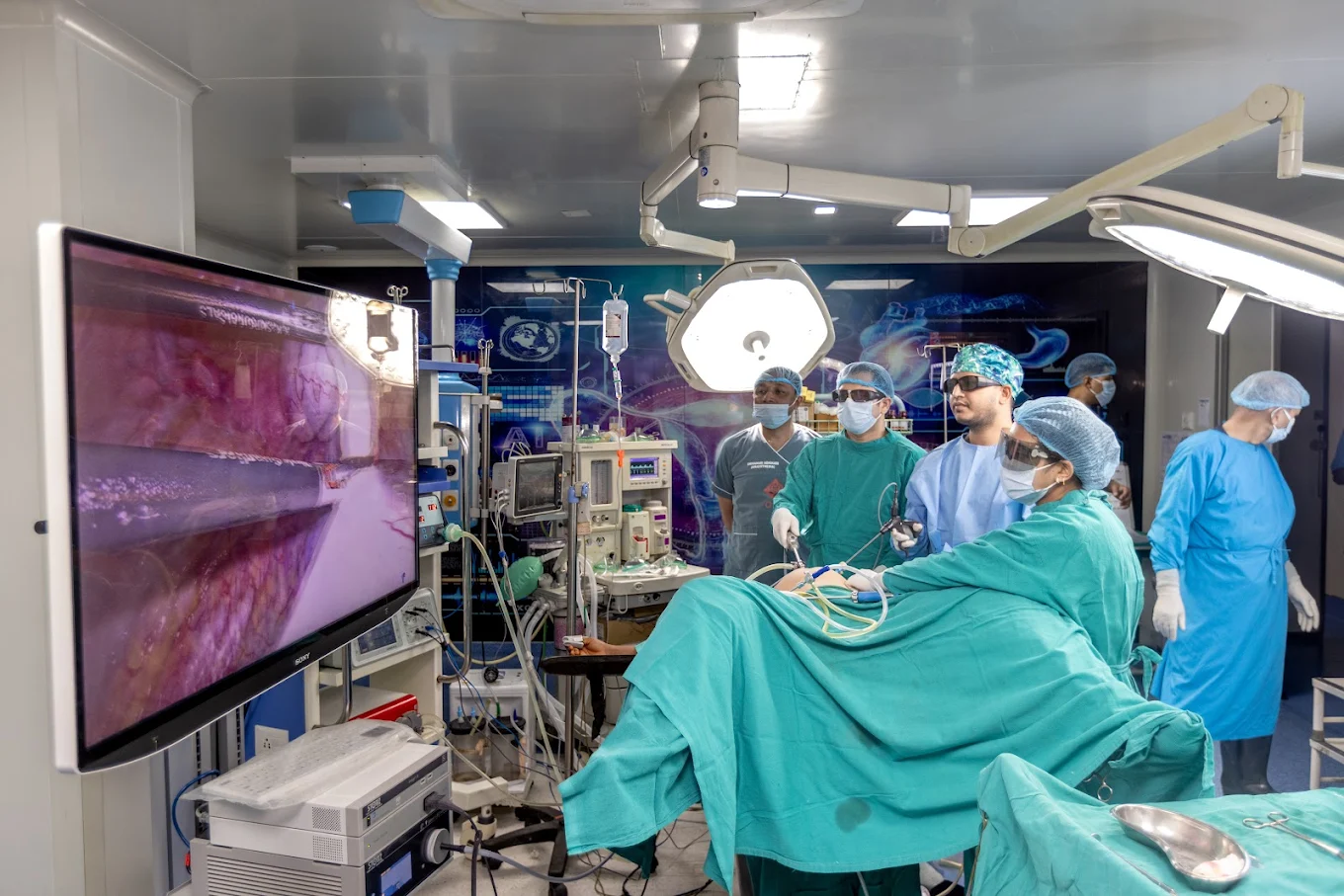
Finding the best laparoscopic surgeon in Nepal requires evaluating verified surgical credentials, documented case volume, hospital infrastructure, and access to modern optical technology. Minimally invasive surgery often referred to as keyhole surgery has replaced open abdominal procedures for most benign gynecological and pelvic conditions. At Dr. Rajan Shah’s surgical practice, advanced laparoscopic procedures are performed using the cutting-edge Karl Storz 3D 4K RUBINA with ICG fluorescence imaging system, offering patients across Nepal small 5 mm to 10 mm incisions, reduced post-operative pain, minimal blood loss, and rapid return to everyday life.
What is Laparoscopic Surgery and How Does It Work?
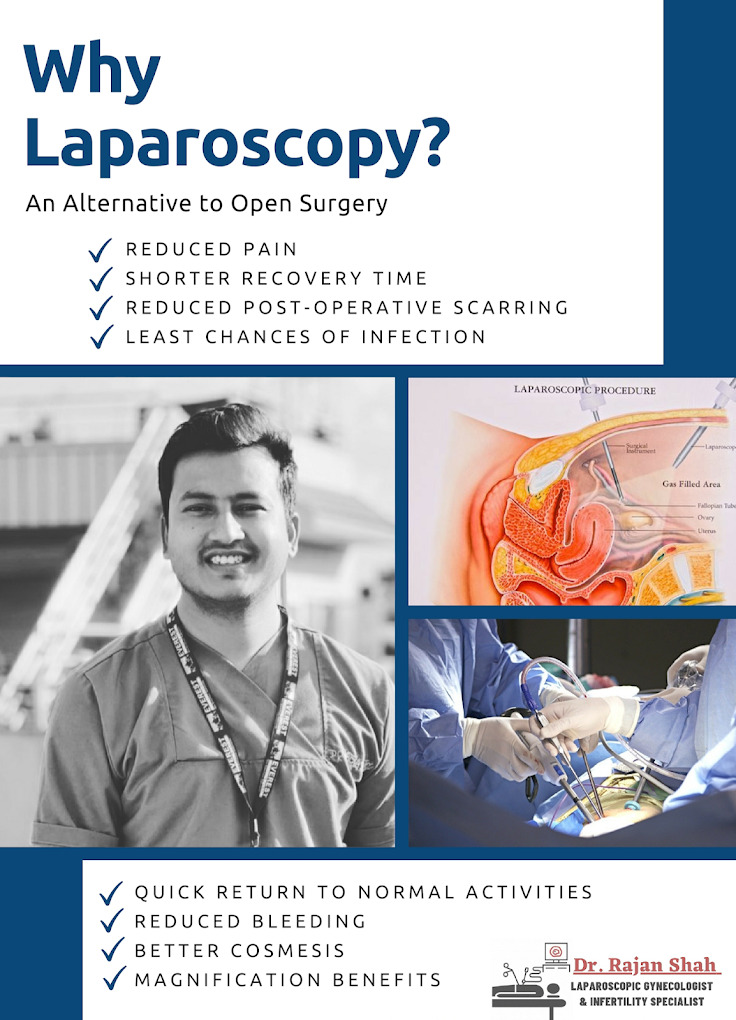
Laparoscopic surgery is a specialized surgical technique where operations in the abdomen and pelvis are performed through small incisions (usually 0.5 to 1 cm) rather than the large 10 to 15 cm incisions required in traditional open laparotomy.
The Surgical Process:
-
Peritoneal Insufflation: The surgeon introduces medical-grade carbon dioxide (CO2) gas into the peritoneal cavity to create a clear, illuminated working dome (pneumoperitoneum). This separates the abdominal wall from the internal organs.
-
High-Definition Optical Access: A narrow telescope (laparoscope) equipped with a miniature digital sensor and fiber-optic light cable is inserted through the primary umbilical port.
-
Precision Port Placement: Two to three secondary 5 mm ports are placed in the lower abdomen to introduce micro-instruments such as harmonic scalpels, bipolar vessel sealers, atraumatic graspers, and needle holders.
-
Targeted Excision & Repair: Pathology (such as uterine fibroids, ovarian cysts, or endometriotic tissue) is carefully separated from healthy tissue, bleeding vessels are precisely sealed, and tissue layers are reconstructed using microsurgical suturing.
-
Specimen Retrieval & Closure: Excised tissue is safely removed often inside a protective specimen retrieval bag and the small port sites are closed with dissolvable subcuticular sutures that leave minimal marks.
Five Essential Criteria to Evaluate a Best Laparoscopic Surgeon in Nepal
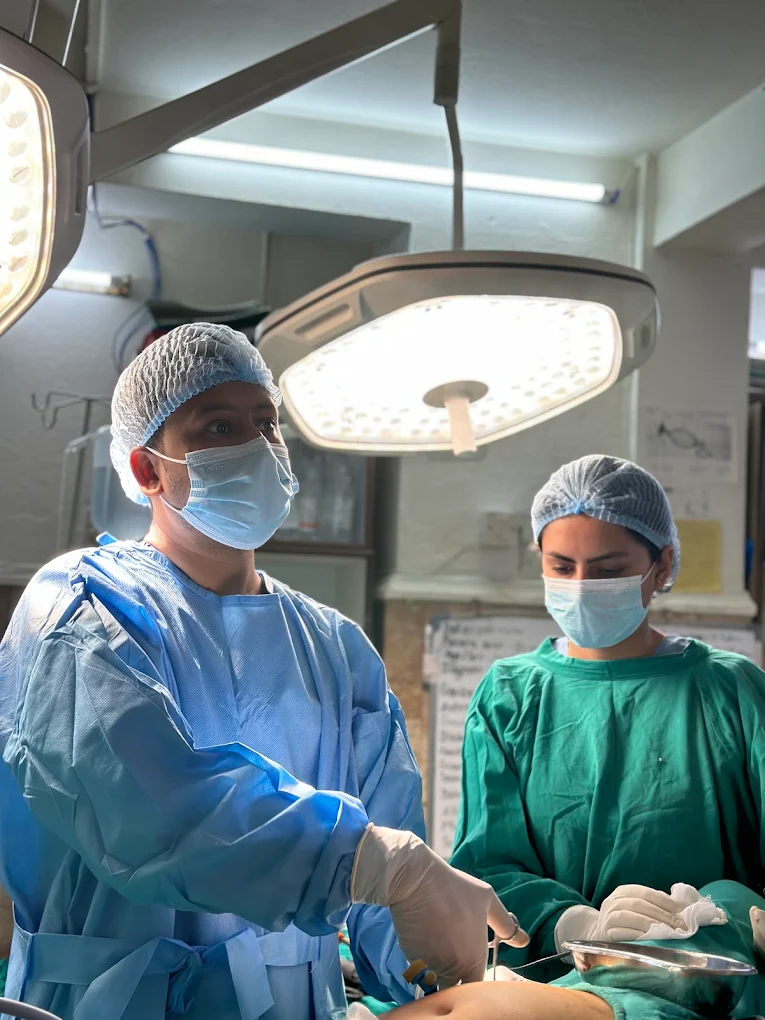
Selecting the right surgical specialist is the single most important factor influencing operative safety, complication rates, and recovery speed. Patients should assess five objective pillars:
Pillar 1: Specialized Credentials and Formal Training
Surgeons should hold formal post-graduate degrees from recognized institutions alongside dedicated sub-specialty training in minimal access techniques. Dr. Rajan Shah completed his MS in Obstetrics and Gynecology at BPKIHS, followed by Fellowship (F.MAS, awarded with Merit) and Diploma (D.MAS) qualifications in Minimal Access Surgery. Learn more about his formal qualifications and surgical fellowships.
Pillar 2: Case Volume and Surgical Track Record

Surgical outcomes in laparoscopic procedures correlate directly with case volume. High-volume surgeons encounter complex anatomical variations regularly and maintain refined instrument dexterity. Dr. Shah has performed over 5,500 gynecological laparoscopic surgeries, providing consistent procedural safety and low complication rates.
Pillar 3: Technology and Operating Room Infrastructure
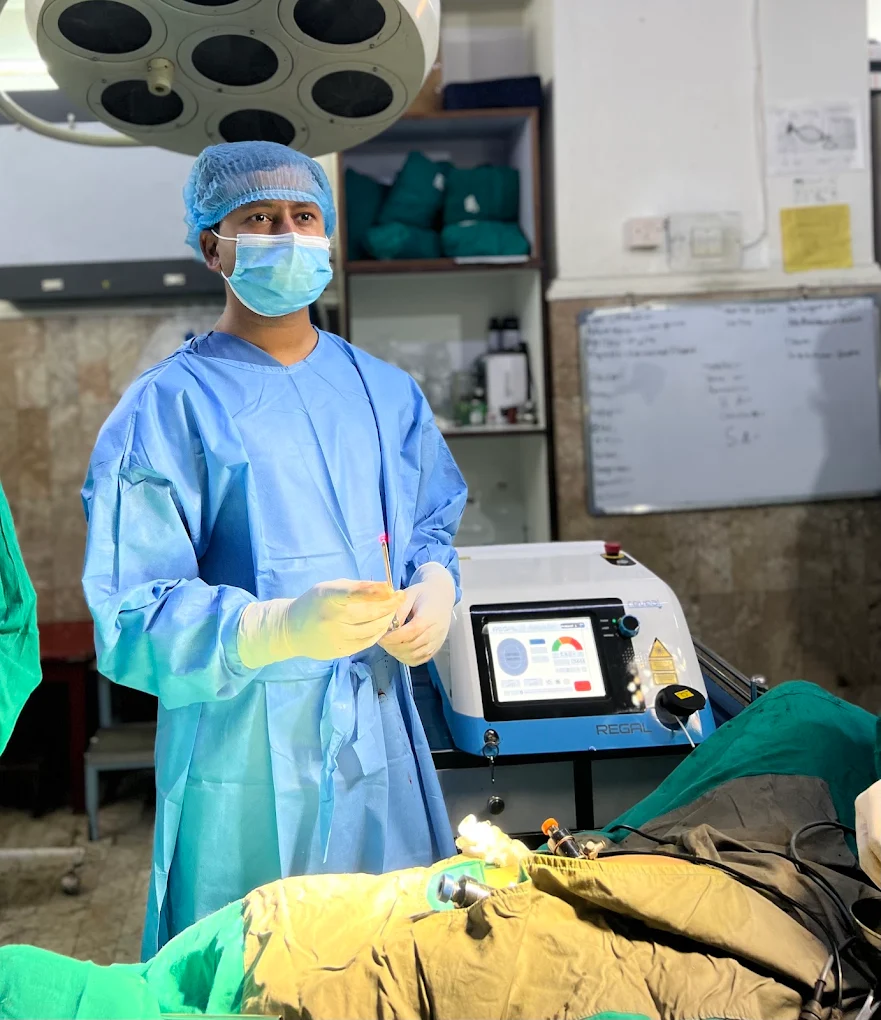
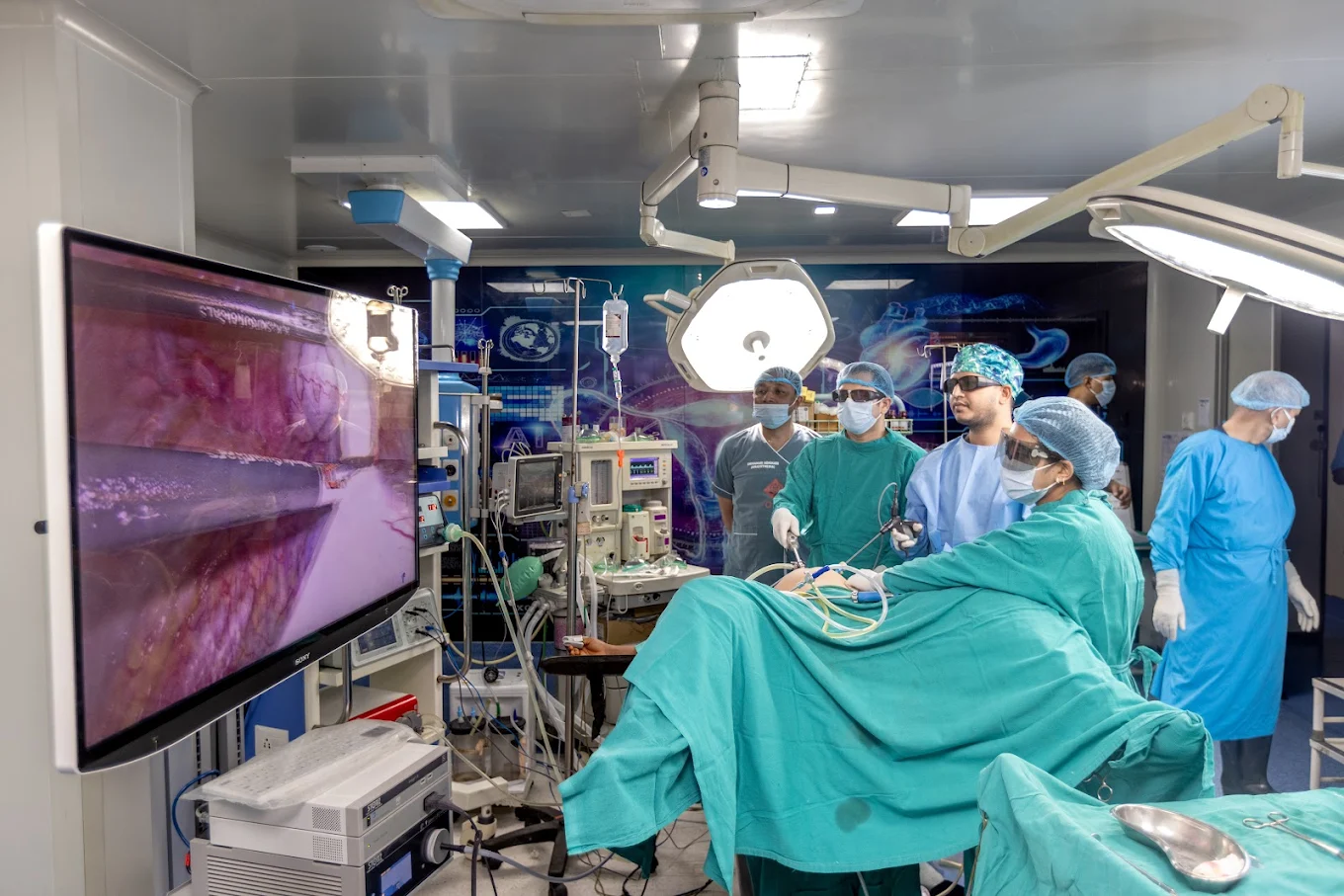
Modern laparoscopy relies heavily on high-end optics. Performing complex procedures like deep endometriosis excision or multi-layer myometrial suturing on standard 2D monitors can limit depth perception. Advanced operating theaters equipped with 3D 4K systems provide the clarity needed for complex surgeries.
Pillar 4: Dedication to Organ and Fertility Preservation
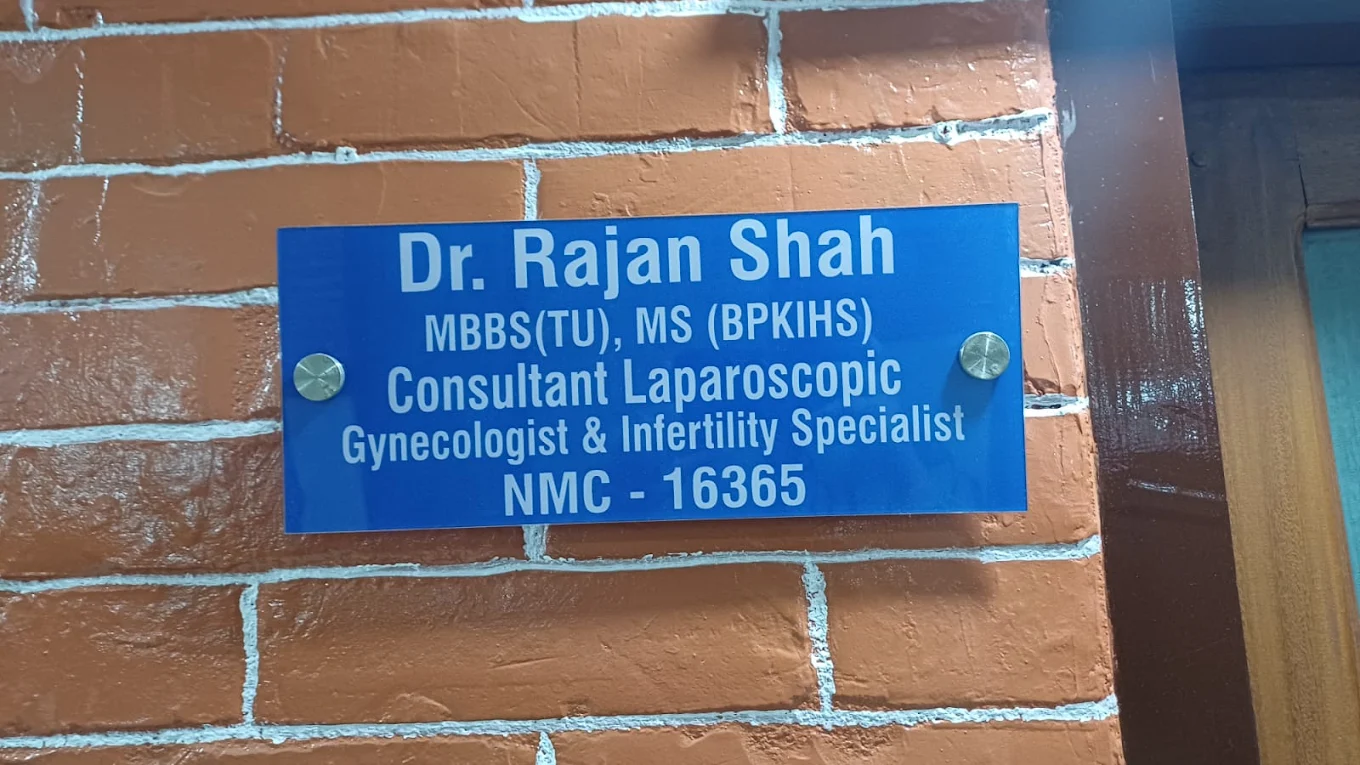
For women of reproductive age, a surgeon's ability to remove diseased tissue while preserving the healthy uterine muscle and ovarian reserve is critical.
Pillar 5: Institutional Backing
Complex surgical procedures must be backed by 24/7 dedicated anesthesiology coverage, advanced post-anesthesia care units (PACU), clean laminar-flow operating theaters, and comprehensive pathology services, as provided at Everest Hospital in Kathmandu.
Cutting-Edge Technology: Karl Storz 3D 4K RUBINA with ICG
Precision in minimally invasive surgery depends on the quality of the visual field. Dr. Rajan Shah utilizes the Karl Storz 3D 4K RUBINA with Indocyanine Green (ICG) system at Everest Hospital, Kathmandu one of the most advanced laparoscopic imaging systems available worldwide.
-
Native 4K Ultra-High Definition: Delivers four times the resolution of standard full HD, revealing fine tissue planes between pathological tumors (like fibroids) and healthy myometrium.
-
True 3D Stereoscopy: Traditional laparoscopy flattens 3D anatomical structures into a flat 2D image. Stereoscopic 3D restores natural binocular depth perception, which is crucial during delicate intracorporeal suturing of the uterine wall.
-
Near-Infrared (NIR) Fluorescence with ICG: By administering intravenous Indocyanine Green dye, the surgeon can switch to near-infrared light mode to immediately highlight blood perfusion in real-time, trace ureteral paths near complex masses, and confirm blood supply to repaired organs.
Comprehensive Clinical Scope: What Conditions Are Treated?
Minimally invasive laparoscopy is the preferred approach for treating a wide variety of gynecological conditions:
Explore our full range of advanced laparoscopic surgical procedures for detailed information on these treatments.
Comparative Analysis: Laparoscopic vs. Open Laparotomy
Understanding the clinical differences between minimally invasive surgery and conventional open surgery helps patients make informed decisions:
How Much Does Laparoscopic Surgery Cost in Nepal?
The cost of laparoscopic surgery in Kathmandu and throughout Nepal varies depending on procedural complexity, surgical consumables, and hospital room selections.
Factors Influencing the Final Cost:
-
Case Complexity: Removing multiple, large intramural fibroids or clearing extensive Stage IV endometriosis requires longer operative times and specialized instrumentation compared to standard diagnostic procedures.
-
Room Category: Hospitals offer different room tiers such as general wards, semi-private rooms, private cabins, and deluxe suites which affect total accommodation and nursing charges.
-
Specialized Consumables: Procedures utilizing advanced high-tensile barbed sutures, anti-adhesion barriers, or specimen containment bags may involve additional material costs.
-
Pre-Operative Preparation: Patients presenting with severe anemia from chronic bleeding may require preoperative iron infusions or blood transfusions, which are billed separately from standard packages.
The Patient Pathway: From Consultation to Recovery
Post-Operative Expectations
-
Shoulder Tip Discomfort: Patients occasionally notice mild, temporary soreness around the neck or shoulders during the first 24 to 48 hours. This is caused by residual carbon dioxide gas irritating the diaphragmatic phrenic nerve and resolves quickly as the body naturally absorbs the gas.
-
Incision Care: Port sites are closed with dissolvable sutures under the skin and covered with waterproof dressings, allowing for gentle showers without compromising wound healing.
-
Resuming Physical Activity: Most patients return to light desk work and daily household activities within 10 to 14 days, avoiding strenuous workouts and heavy lifting for four to six weeks.
Frequently Asked Questions (FAQs)
What is laparoscopic surgery?
Laparoscopic surgery is a minimally invasive surgical technique that allows surgeons to inspect and operate on internal abdominal and pelvic organs through three to four small keyhole incisions (5 mm to 10 mm). A camera (laparoscope) transmits magnified, high-definition images to a monitor, allowing the surgeon to operate with high precision while minimizing blood loss, tissue trauma, and recovery time.
Who needs laparoscopic surgery in Nepal?
Laparoscopic surgery is indicated for individuals diagnosed with benign or structural gynecological conditions that require surgical treatment. Common indications include symptomatic uterine fibroids causing heavy bleeding, benign ovarian cysts, deep endometriosis causing severe pelvic pain, ectopic pregnancies, blocked fallopian tubes contributing to infertility, and conditions requiring a hysterectomy.
How much does laparoscopic surgery cost in Nepal?
Laparoscopic surgery in Kathmandu, Nepal generally ranges between NPR 50,000 and NPR 240,000, depending on procedural complexity. Diagnostic tubal evaluations fall on the lower end of this range, while advanced procedures like 3D 4K laparoscopic myomectomies or total laparoscopic hysterectomies fall toward the upper end based on surgical consumables and room accommodations.
Is laparoscopic surgery 100% successful?
While laparoscopic surgery offers high clinical success rates (frequently exceeding 95% to 98% for benign gynecological conditions), no surgical procedure can guarantee 100% absolute outcomes. Success depends on individual anatomy, tissue condition, disease severity, and proper post-operative recovery. Complication rates in experienced surgical centers remain low, typically under 1% to 2%.
How painful is laparoscopic surgery compared to open surgery?
Laparoscopic surgery involves significantly less pain than open surgery because it avoids large incisions through the abdominal muscle wall. Most patients manage post-operative discomfort with mild oral pain relievers and are able to stand, walk, and use the restroom comfortably within 8 to 12 hours after their operation.
Who is the best laparoscopic surgeon in Nepal?
The best laparoscopic surgeon is one with recognized post-graduate training, specialized fellowship credentials in minimal access surgery (F.MAS/D.MAS), high documented case volumes, and access to advanced 3D 4K operating theaters. Dr. Rajan Shah (NMC No. 16365) at Everest Hospital, Kathmandu, is widely recognized for having completed over 5,500 advanced gynecological laparoscopic operations.
How long is recovery after laparoscopic surgery?
Recovery after laparoscopic surgery is substantially faster than after traditional open surgery. Most patients are discharged from the hospital within 24 to 48 hours, resume basic desk work and light daily activities within 7 to 14 days, and return to full physical exercise and heavy lifting within 4 to 6 weeks.
Are there any side effects or risks of laparoscopy?
Like all surgical procedures under general anesthesia, laparoscopy carries potential risks, though major complications are rare. Temporary, mild side effects include shoulder tip soreness from residual carbon dioxide gas, minor bruising around keyhole incisions, and brief abdominal bloating. Infrequent surgical risks include bleeding, infection, or conversion to an open procedure if extensive adhesions are present.
What are the main benefits of laparoscopic surgery?
The primary clinical benefits of laparoscopic surgery include:
-
Smaller Incisions: Tiny 5–10 mm keyhole incisions instead of large abdominal scars.
-
Minimal Blood Loss: Clear magnification and precise vessel-sealing instruments reduce bleeding.
-
Less Postoperative Pain: Avoids cutting large abdominal wall muscles, minimizing the need for heavy pain medications.
-
Faster Recovery: Shorter hospital stays (24–48 hours) and a quick return to work within 1–2 weeks.
-
Reduced Adhesion Formation: Less tissue trauma lowers the risk of internal scar tissue, helping preserve pelvic health and fertility.
If you are evaluating surgical treatment options for uterine fibroids, ovarian cysts, chronic pelvic pain, or fertility concerns, a thorough clinical evaluation is the best next step.
Consultation Location:
Everest Hospital Pvt. Ltd.
New Baneshwor, Kathmandu, Nepal
Consultant Obstetrician, Gynecologist & Laparoscopic Surgeon: Dr. Rajan Shah (NMC No. 16365)
Book a clinical consultation to review your reports and discuss personalized, minimally invasive treatment options.
Dr. Rajan Shah, MBBS, MS (OB/GYN), F.MAS, D.MAS
Consultant Obstetrician, Laparoscopic Gynecologist & Infertility Specialist
Nepal Medical Council Registration No. 16365
Dr. Rajan Shah is a Consultant Laparoscopic Gynecologist and Infertility Specialist practicing at Everest Hospital, New Baneshwor, Kathmandu. He completed his MBBS at Tribhuvan University and his MS in Obstetrics and Gynecology at BPKIHS, supplemented by specialized Fellowship (F.MAS, Merit) and Diploma (D.MAS) training in Minimal Access Surgery. Having performed over 5,500 gynecological laparoscopic procedures, Dr. Shah specializes in advanced 3D 4K RUBINA keyhole surgeries for uterine fibroids, ovarian cysts, deep endometriosis, and fertility preservation.