Fibroid removal surgery in Nepal
Published on August 20, 2026
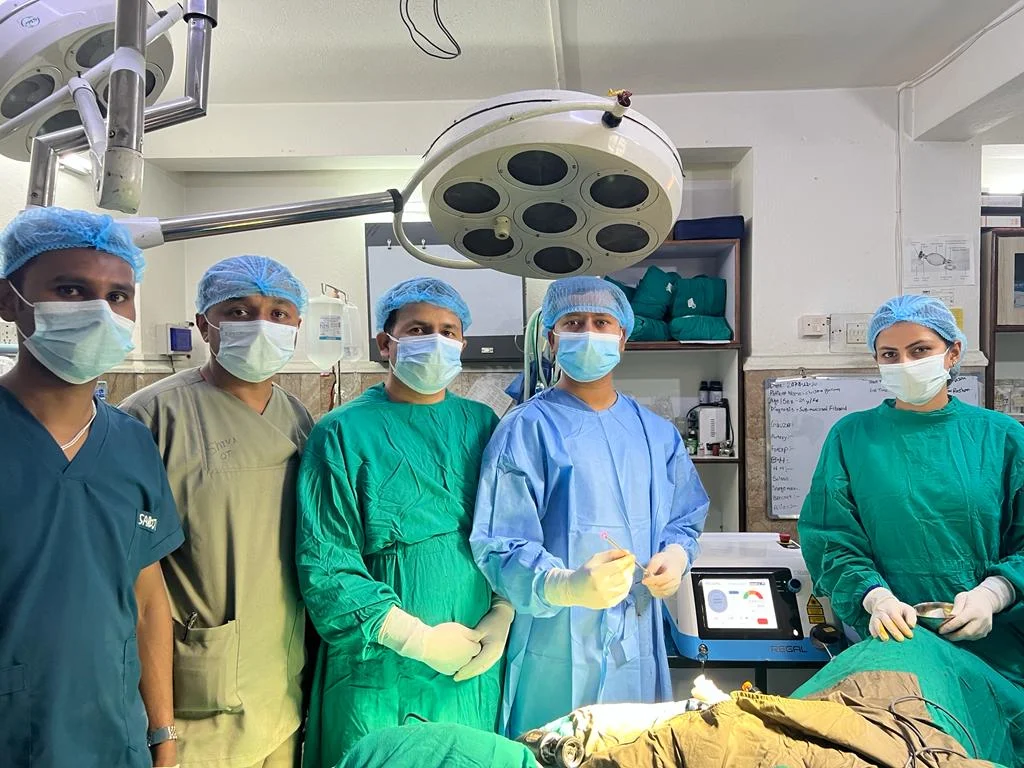
Fibroid removal surgery in Nepal has evolved from traditional, large-incision open operations to precision minimally invasive procedures that preserve the uterus and speed up recovery. Uterine fibroids (leiomyomas) affect millions of women of reproductive age, frequently causing severe menstrual bleeding, chronic pelvic pain, bladder pressure, and subfertility. At Dr. Rajan Shah’s clinical practice in Nepal, advanced laparoscopic myomectomy allows surgeons to remove uterine fibroids of varying sizes and locations through 3 to 4 tiny keyhole incisions, eliminating symptoms while safeguarding uterine integrity for future pregnancy.
What Are Uterine Fibroids and How Do They Develop?
Uterine fibroids, medically known as leiomyomas or myomas, are benign (non-cancerous) monoclonal tumors originating from the smooth muscle cells of the uterine wall (the myometrium). They are the most common benign pelvic tumors in women, with clinical studies indicating that up to 70% to 80% of women develop fibroids by age 50.
Although non-cancerous, fibroids respond dynamically to circulating hormones primarily estrogen and progesterone. They tend to enlarge during reproductive years and typically shrink after menopause. Their location, size, and number dictate the severity of symptoms:
The FIGO Classification System
The International Federation of Gynecology and Obstetrics (FIGO) categorizes fibroids into an anatomical grid (Types 0 through 8):
-
Type 0 to 2 (Submucosal Fibroids): Grow immediately beneath the endometrium. Even small submucosal fibroids (1 to 2 cm) can disrupt the uterine cavity, causing heavy, prolonged menstrual bleeding (menorrhagia) and preventing embryo implantation.
-
Type 3 to 5 (Intramural Fibroids): Located within the thick muscular wall. As they expand, they distort uterine architecture, impair muscular contraction, and lead to heavy bleeding and chronic pelvic aching.
-
Type 6 to 7 (Subserosal Fibroids): Project outward from the outer uterine wall into the peritoneal cavity. While they rarely cause heavy bleeding, large subserosal fibroids compress surrounding pelvic organs leading to urinary frequency, constipation, and lower back pain.
-
Type 8 (Other / Cervical / Parasitic): Located in unconventional anatomical sites such as the cervix or broad ligament.
Common Symptoms: When Does a Fibroid Require Medical Intervention?
Not every uterine fibroid requires surgical excision. Asymptomatic fibroids discovered incidentally during routine pelvic ultrasound screening can often be monitored through periodic watchful waiting. However, surgical removal becomes necessary when fibroids cause significant physical symptoms or reproductive challenges.
If you are experiencing severe fatigue from chronic blood loss, soaking through sanitary pads hourly, or feeling a palpable lower abdominal mass, a structured gynecological evaluation is essential.
Surgical Options for Fibroid Removal in Nepal
Selecting the right surgical approach depends on fibroid size, count, location (FIGO type), and whether you wish to preserve future fertility.
a. Laparoscopic Myomectomy (Keyhole Removal)
Laparoscopic myomectomy is the modern gold standard for removing subserosal and intramural fibroids while keeping the uterus intact. The surgeon works through three to four small incisions (5 mm to 10 mm) in the abdominal wall, using a magnified camera and precision instruments to enucleate the fibroids, suture the uterine muscle in multiple layers, and retrieve the tissue using contained morcellation bags.
b. Hysteroscopic Resection of Fibroid (TCRF)
For purely submucosal fibroids (FIGO Types 0, 1, and some Type 2 measuring under 4 to 5 cm) growing inside the uterine cavity, Transcervical Resection of Fibroid (TCRF) is the preferred method. A resectoscope is inserted through the natural vaginal and cervical canal without any external skin incisions, shaving the fibroid away with an electrosurgical loop. Patients usually return home the same day.
c. Open Abdominal Myomectomy (Laparotomy)
Traditional open myomectomy involves a 10 to 15 cm horizontal (bikini line) or vertical abdominal incision. While historically standard, open surgery is now primarily reserved for exceptionally large fibroid burdens (e.g., uteri reaching the xiphisternum with dozens of confluent myomas) or when modern minimally invasive equipment is unavailable.
d. Total Laparoscopic Hysterectomy (TLH)
For women who have completed childbearing, have severe symptomatic adenomyosis alongside multi-focal fibroids, or prefer a definitive cure with zero risk of recurrence, Total Laparoscopic Hysterectomy removes the uterus (while typically preserving the ovaries to maintain natural hormonal balance) through keyhole ports.
Modern Surgical Innovation: 3D 4K RUBINA with ICG in Nepal
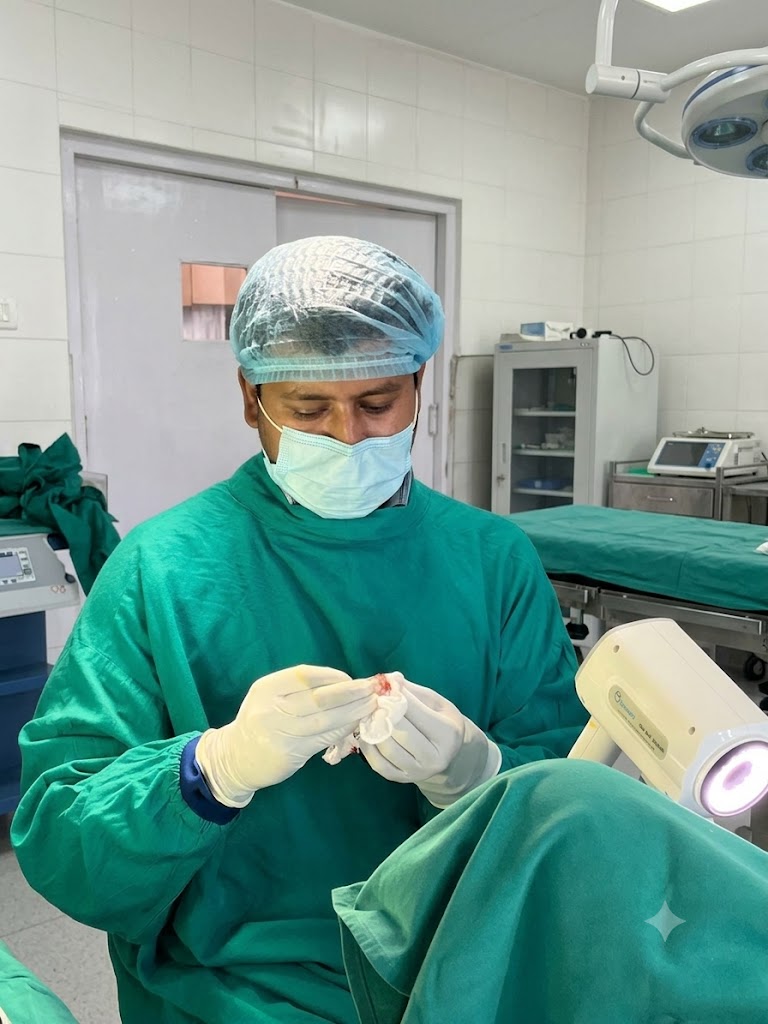
Technological capabilities play a decisive role in the precision and safety of laparoscopic myomectomy. Dr. Rajan Shah operates using the Karl Storz 3D 4K RUBINA with Indocyanine Green (ICG) fluorescence imaging system at Everest Hospital, Kathmandu. This setup provides three critical advantages:
-
Accurate Plane Identification: The interface between a fibroid and healthy uterine muscle (the pseudocapsule) is rich in delicate neurovascular networks. 4K magnification allows clean dissection along this plane, reducing blood loss and protecting normal tissue.
-
Multi-Layer Myometrial Reconstruction: When a deep intramural fibroid is excised, a muscular defect remains. Restoring structural strength requires continuous, multi-layered suturing. Stereoscopic 3D vision gives the surgeon precise depth feedback to close dead space and maintain tensile strength for future pregnancies.
-
Perfusion Verification via ICG: Injecting near-infrared fluorescent ICG dye highlights vascular anatomy in real time, helping identify blood supplies feeding the fibroid and verifying healthy perfusion to the repaired uterine wall.
To learn more about these techniques, review Dr. Shah's specialized fellowship training in minimal access surgery.
Detailed Comparison: Laparoscopic vs. Open Myomectomy
Clinical Significance
Laparoscopic myomectomy substantially reduces wound infections, eliminates large incisional hernias, and minimizes postoperative pelvic adhesions (scar tissue) that could compromise fallopian tube motility and future fertility.
Uterus-Preserving Myomectomy and Future Fertility
A major concern for young and nulliparous women diagnosed with uterine fibroids in Nepal is preserving reproductive capacity.
a. Endometrial Cavity Protection
During myomectomy, entering the inner endometrial lining is avoided unless removing a trans-mural or deeply projecting submucosal tumor. This prevents intrauterine adhesions (Asherman syndrome), keeping the endometrium receptive for embryo implantation.
b. Myometrial Scar Strength
A securely sutured myometrium heals into a durable, well-vascularized scar. In experienced surgical hands, the risk of uterine rupture during subsequent labor is very low (historically under 1%).
c. Pregnancy Timing After Surgery
Gynecologists generally advise waiting 3 to 6 months after laparoscopic myomectomy before attempting conception. This interval gives the uterine muscle time to complete cellular remodeling and tensile recovery. Depending on the depth and number of myometrial incisions, Dr. Rajan Shah provides personalized guidance on whether vaginal delivery or elective cesarean section is recommended for future births.
Review our complete range of advanced gynecological laparoscopic services to see how surgical plans are customized for fertility goals.
Cost of Fibroid Removal Surgery in Nepal
Understanding surgical costs in Kathmandu and broader Nepal helps families plan care with financial transparency.
Factors Influencing the Final Cost
-
Size, Number, and Location of Fibroids: Multiple deep intramural fibroids require longer operative times, advanced vessel sealers, and specialized barbed suture materials.
-
Hospital Facility & Room Category: Package prices vary based on private room, general ward, or deluxe cabin accommodations at Everest Hospital or other private care centers in Kathmandu.
-
Pre-Operative Optimization: Patients with severe anemia from chronic bleeding may require preoperative blood transfusions, intravenous iron infusions, or hormonal downregulation (e.g., GnRH agonists), which are billed separately.
-
Post-Operative Histopathology: Every excised fibroid is routinely sent for formal histopathological examination to verify benign pathology, adding standard laboratory processing fees.
Step-by-Step Patient Pathway: Preparation to Full Recovery
Pre-Operative Preparation
-
Diagnostic Imaging: High-resolution transvaginal and transabdominal ultrasonography maps the exact location, size, and depth of each myoma. In select complex cases, a pelvic MRI is used for multi-planar mapping.
-
Correction of Anemia: Patients with low hemoglobin levels receive targeted medical therapy to build blood counts before surgery, ensuring optimal safety and tissue healing.
-
Fasting Guidelines: Routine fasting of 6 to 8 hours prior to general anesthesia.
Day of Surgery
-
The patient is admitted to Everest Hospital in the morning or the evening before.
-
Anesthesia is administered smoothly by specialized cardiac/neuro-anesthesiologists.
-
The operation is performed under 3D 4K visualization. Excised fibroids are removed from the abdomen inside an isolation containment bag using cold/mechanical morcellation to maintain strict oncological safety.
Postoperative Recovery Timeline
-
Hours 0 to 6: Rest in the recovery suite, followed by sipping water and clear liquids.
-
Hours 8 to 12: Urinary catheter removal and early walking in the room to encourage intestinal motility and prevent blood clots.
-
Day 1 to 2: Transition to a regular oral diet, switch to oral pain relief, and complete hospital discharge.
-
Week 1: Light walking around the house; incision sites remain dry and clean.
-
Week 2: Return to normal desk work and light everyday routines.
-
Week 4 to 6: Full resumption of vigorous gym exercises, running, lifting heavy loads, and sexual intercourse.
Common Misconceptions About Fibroid Surgery in Nepal
-
Misconception 1: "Having fibroids means you must remove the entire uterus."
Fact: Hysterectomy is not mandatory. Laparoscopic myomectomy reliably removes fibroids while preserving the uterus for future pregnancy and long-term anatomy.
-
Misconception 2: "Laparoscopic surgery cannot remove large or multiple fibroids."
Fact: With high-definition 3D 4K visualization and advanced laparoscopic suturing, experienced surgeons routinely remove large fibroids (exceeding 8 to 12 cm) and multiple myomas safely through keyhole ports.
-
Misconception 3: "Fibroids always turn into cancer."
Fact: Uterine leiomyomas are benign. The risk of a fibroid harboring a leiomyosarcoma (uterine cancer) is extremely rare estimated at under 1 in 500 cases (less than 0.2%).
-
Misconception 4: "Medications can dissolve fibroids permanently."
Fact: Hormonal pills, tranexamic acid, and GnRH analogues can temporarily reduce heavy bleeding or shrink fibroid volume before surgery. However, once medications are stopped, fibroids typically regrow. Surgery remains the definitive method to physically remove them.
Frequently Asked Questions (FAQs)
Is fibroid removal a risky surgery?
Fibroid removal (myomectomy) is a routine, safe, and standardized procedure when performed by an experienced laparoscopic gynecologist. While all surgeries carry potential risks such as bleeding, infection, or reaction to anesthesia, advanced minimally invasive techniques with 3D 4K visualization reduce complication rates to less than 1–2%.
Which surgery is best for fibroid removal?
The best approach depends on the fibroid's location and your reproductive plans. For fibroids inside the uterine cavity (submucosal), Hysteroscopic Resection (TCRF) is best because it requires no skin cuts. For intramural and subserosal fibroids, 3D 4K Laparoscopic Myomectomy offers the best balance of precision, minimal scarring, fast recovery, and uterine preservation.
How much does laparoscopic surgery cost in Nepal?
Laparoscopic fibroid surgery in Kathmandu, Nepal typically ranges from NPR 95,000 to NPR 220,000, depending on fibroid complexity, operative duration, surgeon expertise, and hospital room category (ward vs. private cabin).
Is fibroid surgery considered a major operation?
Yes, fibroid surgery is categorized as major gynecological surgery because it involves operating on the uterine muscle wall under general anesthesia. However, when performed laparoscopically, the patient experiences it as a minimally invasive recovery with discharge usually in 24 to 48 hours and return to light activities in 1 to 2 weeks.
How much does uterus removal surgery (hysterectomy) cost in Nepal?
Total Laparoscopic Hysterectomy (TLH) in private and tertiary hospitals across Kathmandu typically ranges from NPR 110,000 to NPR 240,000, covering the surgical procedure, anesthesia, laparoscopic consumables, and routine 2 to 3 days of hospital stay.
Can fibroids grow back after laparoscopic removal?
Surgeons remove all visible and palpable fibroids during myomectomy. However, because your uterine muscle tissue remains, new microscopic fibroid cells can develop in the future. The recurrence rate over 5 years is roughly 15% to 30%, though many recurrences remain small and asymptomatic.
When can I plan a pregnancy after fibroid surgery?
Most gynecological surgeons advise waiting 3 to 6 months after a laparoscopic myomectomy. This window allows the myometrial muscle layers to heal fully and regain tensile strength before supporting a growing pregnancy.
Key Clinical Takeaways
-
Minimally Invasive Standard: Laparoscopic myomectomy offers small keyhole incisions, minimal blood loss, minimal scarring, and quick recovery.
-
Preserving Fertility: Removing symptomatic fibroids restores the uterine cavity shape, stops heavy bleeding, and preserves your ability to conceive.
-
Advanced Technology at Everest Hospital: Dr. Rajan Shah utilizes the Karl Storz 3D 4K RUBINA system with ICG fluorescence for enhanced operative safety.
-
Accessible Care in Kathmandu: Transparent procedural pathways and comprehensive care are available at Everest Hospital, New Baneshwor.
Book Your Consultation in Kathmandu
If heavy periods, pelvic pain, or a known uterine fibroid diagnosis are affecting your daily quality of life, schedule a dedicated clinical consultation and ultrasound evaluation.
Clinical Practice Location:
Everest Hospital Pvt. Ltd.
New Baneshwor, Kathmandu, Nepal
Consultant Obstetrician, Gynecologist & Laparoscopic Surgeon: Dr. Rajan Shah (NMC No. 16365)
Schedule a clinical evaluation at Everest Hospital to discuss your personalized fibroid treatment and uterus-preserving options.