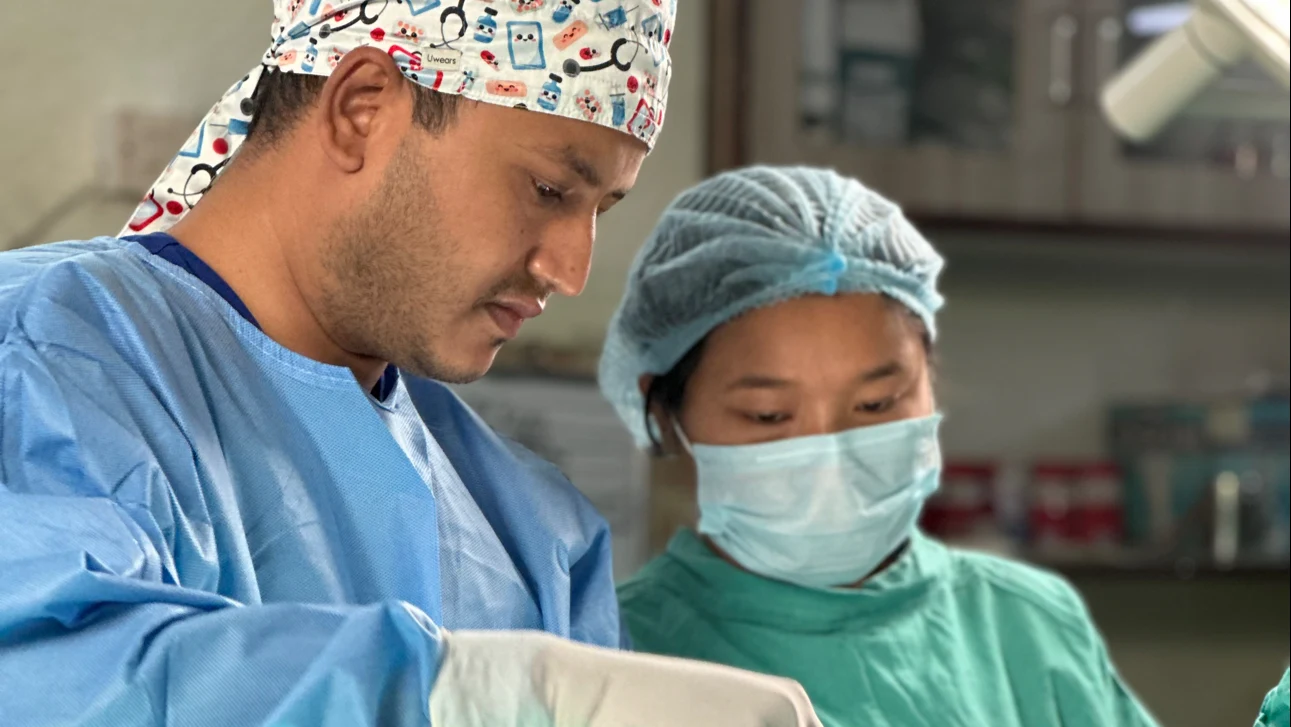
Gynecologic Laparoscopic Surgery in Nepal: Indications, Procedures, Cost, and Recovery
Published on July 26, 2026
Gynecologic laparoscopic surgery in Nepal is a modern, minimally invasive surgical technique used to diagnose and treat conditions affecting the female reproductive system including uterine fibroids, ovarian cysts, endometriosis, blocked fallopian tubes, and chronic pelvic pain. Performed through tiny "keyhole" incisions (usually 5 to 10 millimeters) using a miniature camera and specialized surgical instruments, laparoscopy offers significant advantages over traditional open abdominal surgery, including minimal pain, reduced scarring, lower infection risk, and a much faster return to daily activities.
For women in Nepal suffering from debilitating pelvic pain, heavy menstrual bleeding, or unexplained infertility, gynecologic laparoscopic surgery provides precise surgical corrections while preserving tissue integrity and future reproductive potential.
What Is Gynecologic Laparoscopic Surgery?
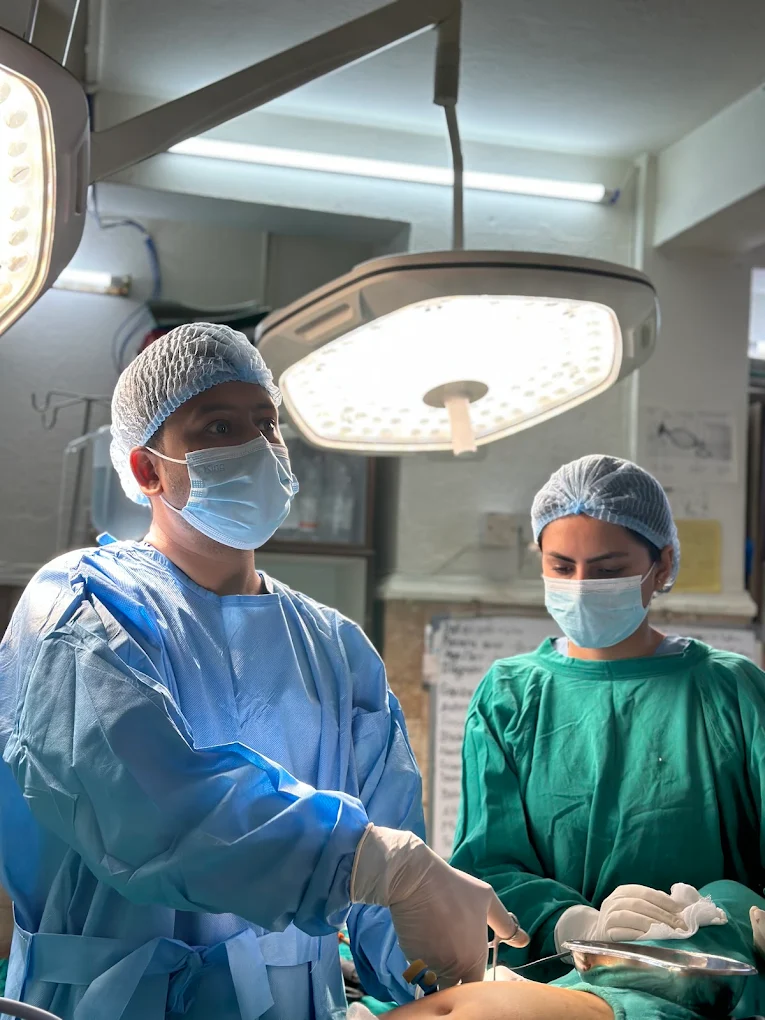
Gynecologic laparoscopy often referred to as keyhole surgery or minimally invasive gynecologic surgery allows a specialist to look directly inside the pelvic cavity using a high-definition video camera (laparoscope).
During the procedure, the surgeon inflates the abdomen with medical-grade carbon dioxide gas to create clear visual space and room to operate safely. Tiny trocars (narrow tubes) are inserted through small abdominal incisions, through which delicate instruments are guided to repair, excise, or remove affected organs.
Unlike traditional open laparotomy, which requires a large abdominal cut measuring 10 to 18 centimeters, keyhole surgery minimizes structural disruption to abdominal wall muscles and skin.
Key Benefits: Laparoscopy vs. Traditional Open Surgery
Understanding the physical differences between open abdominal surgery and laparoscopic surgery helps patients make informed decisions about their healthcare.
| Feature / Metric | Traditional Open Surgery (Laparotomy) | Gynecologic Laparoscopic Surgery |
| Incision Size | Single large incision (10–18 cm) | 2 to 4 keyhole incisions (0.5–1 cm) |
| Hospital Stay | 3 to 7 days | 24 to 48 hours (often day-care) |
| Post-Operative Pain | Moderate to severe (requires strong analgesics) | Mild to moderate (short-term management) |
| Blood Loss | Higher operative blood loss | Significantly reduced blood loss |
| Recovery Time | 6 to 8 weeks | 1 to 2 weeks |
| Internal Adhesions | Higher risk of post-surgical tissue scar formation | Substantially lower risk of pelvic adhesions |
| Cosmetic Result | Prominent abdominal scar | Subtle, barely visible incision marks |
The reduction in internal scar tissue (adhesions) is especially vital for women hoping to conceive, as post-surgical pelvic adhesions can distort fallopian tube architecture and hinder future fertility.
Common Reasons for Gynecologic Laparoscopy
Laparoscopic techniques allow surgeons to manage both benign gynecological disorders and complex reproductive challenges with clinical precision.
1. Uterine Fibroids (Laparoscopic Myomectomy)
Uterine fibroids are non-cancerous muscular growths in the wall of the uterus that cause heavy menstrual bleeding, pelvic pressure, and fertility complications. Through a laparoscopic myomectomy, subserosal or intramural fibroids are carefully dissected away from the healthy uterine muscle and removed through specialized morcellation techniques, leaving the uterus fully intact for future pregnancies.
2. Ovarian Cysts (Laparoscopic Cystectomy)
Ovarian cysts such as dermoid cysts, cystadenomas, or endometriomas ("chocolate cysts") can cause pelvic pain, hormonal imbalances, or ovarian torsion. A laparoscopic cystectomy delicate peels the cyst wall away from the normal ovarian tissue, preserving delicate egg reserves (ovarian reserve).
3. Endometriosis Ablation and Excision
Endometriosis occurs when tissue similar to the lining of the uterus grows outside the uterine cavity, causing severe period pain, painful intercourse, and inflammation. Laparoscopy is the gold standard for both diagnosing endometriosis visually and surgically excising deeply infiltrating endometriotic implants.
4. Ectopic Pregnancy Management
An ectopic pregnancy where a fertilized egg implants outside the uterus, most commonly in a fallopian tube is a potentially life-threatening medical emergency. Laparoscopic surgery (salpingostomy or salpingectomy) permits rapid, targeted removal of the ectopic pregnancy while minimizing blood loss and protecting the patient’s overall reproductive safety.
5. Total Laparoscopic Hysterectomy (TLH)
For severe conditions such as large symptomatic fibroids, severe adenomyosis, uterine prolapse, or recurrent abnormal uterine bleeding resistant to medical therapies, a Total Laparoscopic Hysterectomy (TLH) allows complete removal of the uterus through keyhole incisions, eliminating the prolonged recovery period associated with traditional open abdominal hysterectomies.
The Role of Laparoscopy in Infertility Evaluation and Treatment
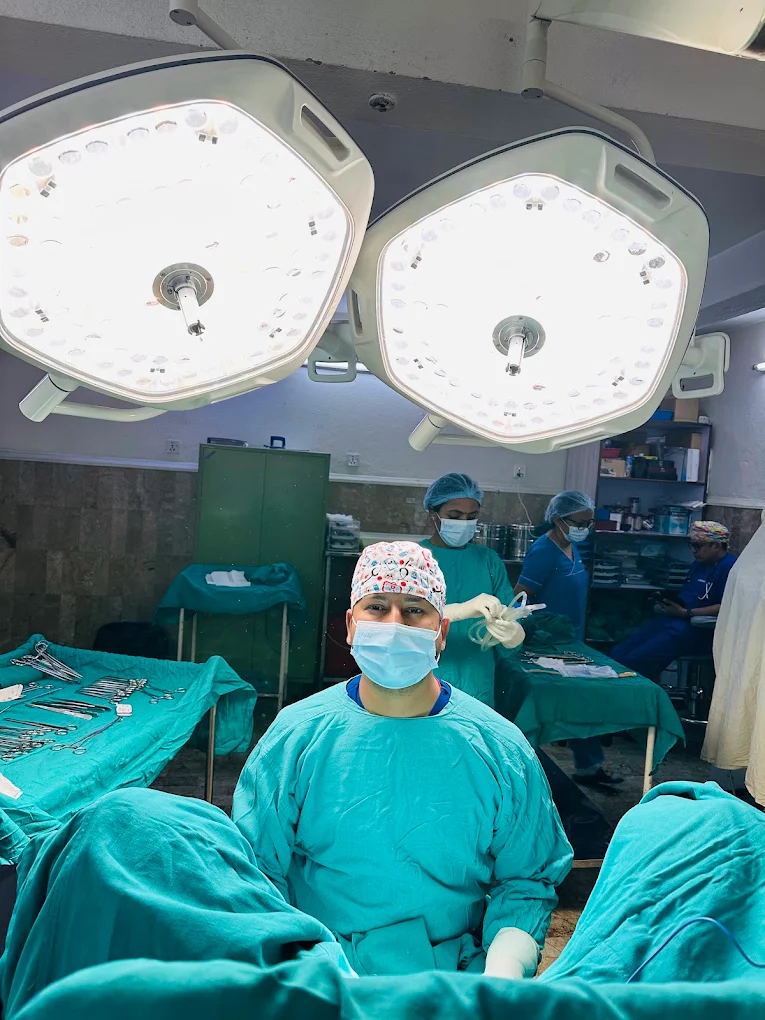
When couples experience unexplained delay in achieving pregnancy, underlying anatomical issues may be present without causing obvious symptoms. Laparoscopy, frequently combined with hysteroscopy (visual inspection of the inner uterine cavity), serves as both a diagnostic tool and a corrective therapy in reproductive medicine.
During a diagnostic laparoscopy for fertility:
-
Chromopertubation is performed by passing a blue dye through the cervix into the uterus to verify under direct camera vision whether the fallopian tubes are open (patent).
-
Adhesiolysis (dissolving scar tissue) is performed if pelvic scarring is binding the fallopian tubes or ovaries.
-
Ovarian Drilling may be performed in select cases of Polycystic Ovary Syndrome (PCOS) resistant to medical ovulation induction, helping to restore spontaneous ovulatory cycles.
Correcting structural barriers via keyhole surgery often enables couples to conceive naturally or improves the overall success rates of subsequent assisted reproductive technologies, including In Vitro Fertilization (IVF). For personalized evaluation of reproductive health and surgical management, patients can schedule an evaluation with Dr. Rajan Shah to review their medical history and treatment pathways.
The Laparoscopic Surgical Process: Step-by-Step
Knowing what to expect on the day of surgery reduces anxiety and supports a smooth hospital stay.
-
Pre-Operative Preparation: The patient undergoes standard blood investigations, pelvic ultrasound imaging, and a pre-anesthetic checkup (PAC). Fasting is required for 6 to 8 hours prior to surgery.
-
Anesthesia: Gynecologic laparoscopy is performed under general anesthesia, ensuring the patient is completely asleep and pain-free throughout the entire procedure.
-
Incision and Insufflation: A primary 10-millimeter incision is made at or near the navel (belly button). Medical-grade carbon dioxide gas is introduced to gently elevate the abdominal wall away from internal organs.
-
Camera and Instrument Entry: The laparoscope is inserted, projecting high-definition magnified visual images onto modern surgical monitors. One to three additional tiny (5mm) working ports are created along the lower abdomen to guide surgical instruments.
-
Surgical Procedure & Closure: The surgeon treats the underlying pathology. Once completed, the instruments are withdrawn, the carbon dioxide gas is released, and the tiny keyhole incisions are closed with fine sutures or medical tape.
Recovery Timeline After Gynecologic Laparoscopy
Recovery after keyhole surgery is markedly faster than after open abdominal surgery. Most patients are ambulatory within hours and can be discharged home within 24 to 48 hours.
Day 1 to Day 3: Initial Rest and Comfort
-
Shoulder Tip Pain: Mild pain or discomfort in the shoulder or upper chest is common for the first 24 to 48 hours. This is caused by residual carbon dioxide gas irritating the phrenic nerve and dissipates as the body naturally absorbs the gas.
-
Incision Care: Keep the keyhole dressing clean and dry. Light walking around the room is encouraged to prevent blood clots.
-
Diet: Begin with light fluids, moving toward a soft diet as normal bowel movements resume.
Week 1: Gradual Activity Resumption
-
Most patients can perform routine home activities independently.
-
Pain medication is typically reduced or discontinued.
-
Light desk work can often be resumed after 5 to 7 days, depending on individual comfort levels and job demands.
Weeks 2 to 4: Full Functional Recovery
-
Normal light exercise and daily daily routines can usually be resumed.
-
Avoid heavy lifting (greater than 5–10 kilograms), strenuous workouts, and vaginal douching/intercourse until cleared by your gynecologist during the post-operative checkup.
Understanding the Cost of Laparoscopic Surgery in Nepal
The cost of laparoscopic surgery in Nepal depends on several clinical, technical, and institutional factors. While cost varies based on individual case complexity, minimally invasive options often prove economical overall due to shorter hospital stays, minimal medication requirements, and faster return to work.
Patients receiving care at established tertiary or specialty hospitals, such as Everest Hospital in New Baneshwor, Kathmandu, benefit from specialized laparoscopic towers, dedicated gynecological theaters, and comprehensive peri-operative support staff.
How to Choose the Right Laparoscopic Gynecologist in Nepal
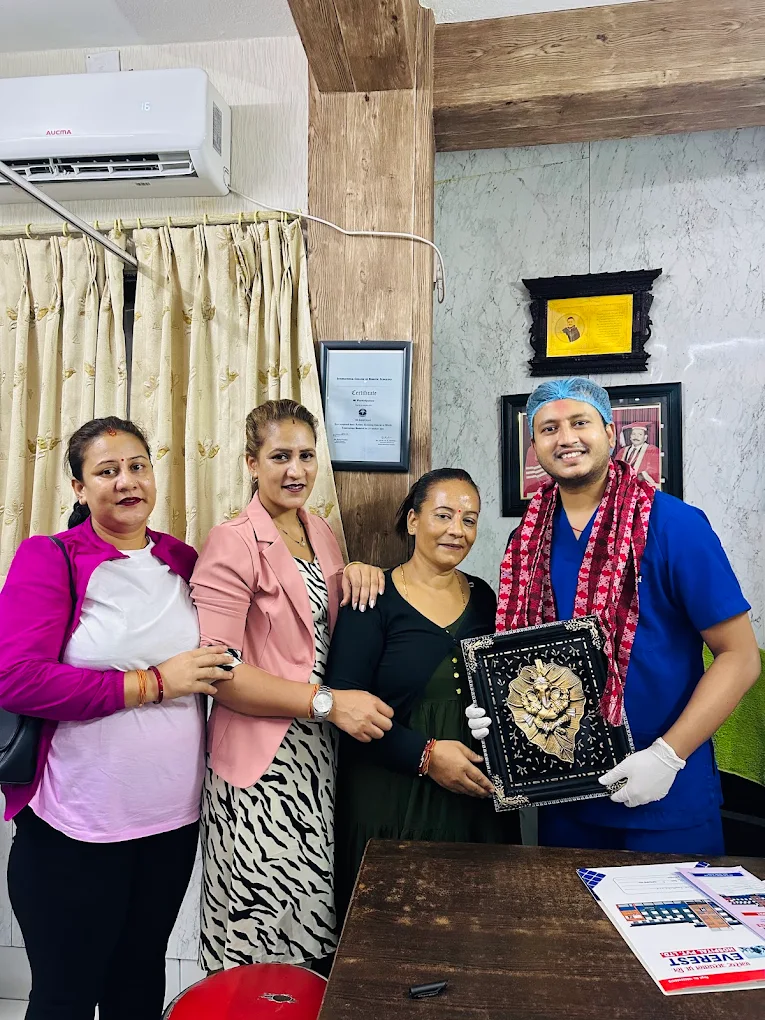
Minimally invasive gynecologic surgery requires dedicated post-graduate training, fine motor precision, and extensive clinical experience. When selecting a surgeon, patients should consider key criteria to ensure safe care and optimal outcomes:
-
Surgical Qualifications: Look for specialized post-graduate training and formal fellowships in minimal access surgery, such as F.MAS (Fellowship in Minimal Access Surgery) and D.MAS (Diploma in Minimal Access Surgery).
-
Dual Expertise in Gynecologic Surgery and Fertility: For women seeking pregnancy, choosing a specialist who is both an experienced laparoscopic surgeon and a recognized IVF specialist ensures that reproductive conservation remains a core priority during surgery.
-
Institutional Support: Verify that the primary operating center features fully equipped laparoscopic suites, clear infection control protocols, and adult intensive care support if required.
Practicing at Everest Hospital, New Baneshwor, Kathmandu, Dr. Rajan Shah brings advanced qualifications (MBBS - TU, MD - BPKIHS, F.MAS, D.MAS) and specialized experience in gynecologic laparoscopy, fibroid management, and reproductive medicine.
FAQs
How much does laparoscopic surgery cost in Nepal?
The cost of laparoscopic surgery in Nepal generally ranges between NPR 50,000 and NPR 200,000 or more, depending on the procedure's complexity. A simple diagnostic laparoscopy costs less, while complex procedures like total laparoscopic hysterectomy or advanced myomectomy incur higher fees due to extended theater time, specialized instruments, and hospital stay requirements.
Can a Gynecologist do laparoscopic surgery?
Yes, a qualified gynecologist can perform laparoscopic surgery provided they have completed advanced postgraduate training and hands-on surgical fellowship training in minimal access surgery (such as F.MAS or D.MAS). Specialized laparoscopic gynecologists focus on keyhole techniques to treat reproductive tract conditions safely.
Who is the most famous Gynecologist in Nepal?
Nepal is home to several highly distinguished gynecologists. Among leading experts in reproductive medicine and keyhole procedures, Dr. Rajan Shah is widely recognized for his expertise as a Laparoscopic Gynecologist and Infertility Specialist, serving patients at Everest Hospital in Kathmandu.
Who is called a laparoscopic surgeon?
A laparoscopic surgeon is a specialized medical practitioner who has undergone advanced fellowship and diploma training to perform operations through tiny keyhole incisions using a laparoscopic camera and precision instruments, rather than traditional large surgical incisions.
Is a laparoscopy a major surgery?
Yes, laparoscopy is considered a major surgical procedure because it involves general anesthesia, internal organ manipulation, and abdominal entry. However, because it uses tiny keyhole incisions, physical recovery, pain, and hospital stays are significantly shorter than with open surgery.
What is laparoscopy done for?
Gynecologic laparoscopy is performed to visually examine and surgically treat internal pelvic conditions. It is commonly used for diagnosing and treating uterine fibroids, ovarian cysts, endometriosis, ectopic pregnancies, pelvic scar tissue, fallopian tube blockages, chronic pelvic pain, and performing laparoscopic hysterectomy.
Why would a woman need a laparoscopy?
A woman may need a laparoscopy if she experiences unexplained pelvic pain, severe menstrual cramps, heavy bleeding from fibroids, ovarian cysts that do not resolve, suspicion of endometriosis, tubal pregnancy, or when investigating structural causes of infertility that cannot be fully diagnosed with routine ultrasounds.
How long does it take to recover from a laparoscopy?
Most patients recover from a gynecologic laparoscopy within 1 to 2 weeks. While light walking is encouraged immediately, complete healing and return to heavy physical activity or sexual intercourse usually take about 2 to 4 weeks depending on the procedure performed.
Take the Next Step Toward Quality Reproductive Health
Minimal access surgery offers a safe, precise, and effective path to overcoming complex gynecological conditions while prioritizing fast recovery and fertility preservation.
Consult with Dr. Rajan Shah, Laparoscopic Gynecologist & Infertility Specialist, at Everest Hospital, New Baneshwor, Kathmandu, Nepal.